Why Your Washer Shakes & Walks Across the Floor | UE/UB Error Fix

WasherShaking

Why Your Washing Machine Sounds Like a Jet Engine
(And Walks Across the Laundry Room Floor)

How It Works Series | NEU Appliance Repair

If you live in Austin, Georgetown, Round Rock, Cedar Park, Leander, or Pflugerville, you’ve probably heard it: a top-load washer that suddenly starts slamming around like it’s trying to escape the laundry room during the spin cycle. One minute it’s fine, the next it’s “thump-thump-BANG” loud enough to wake the neighbors.
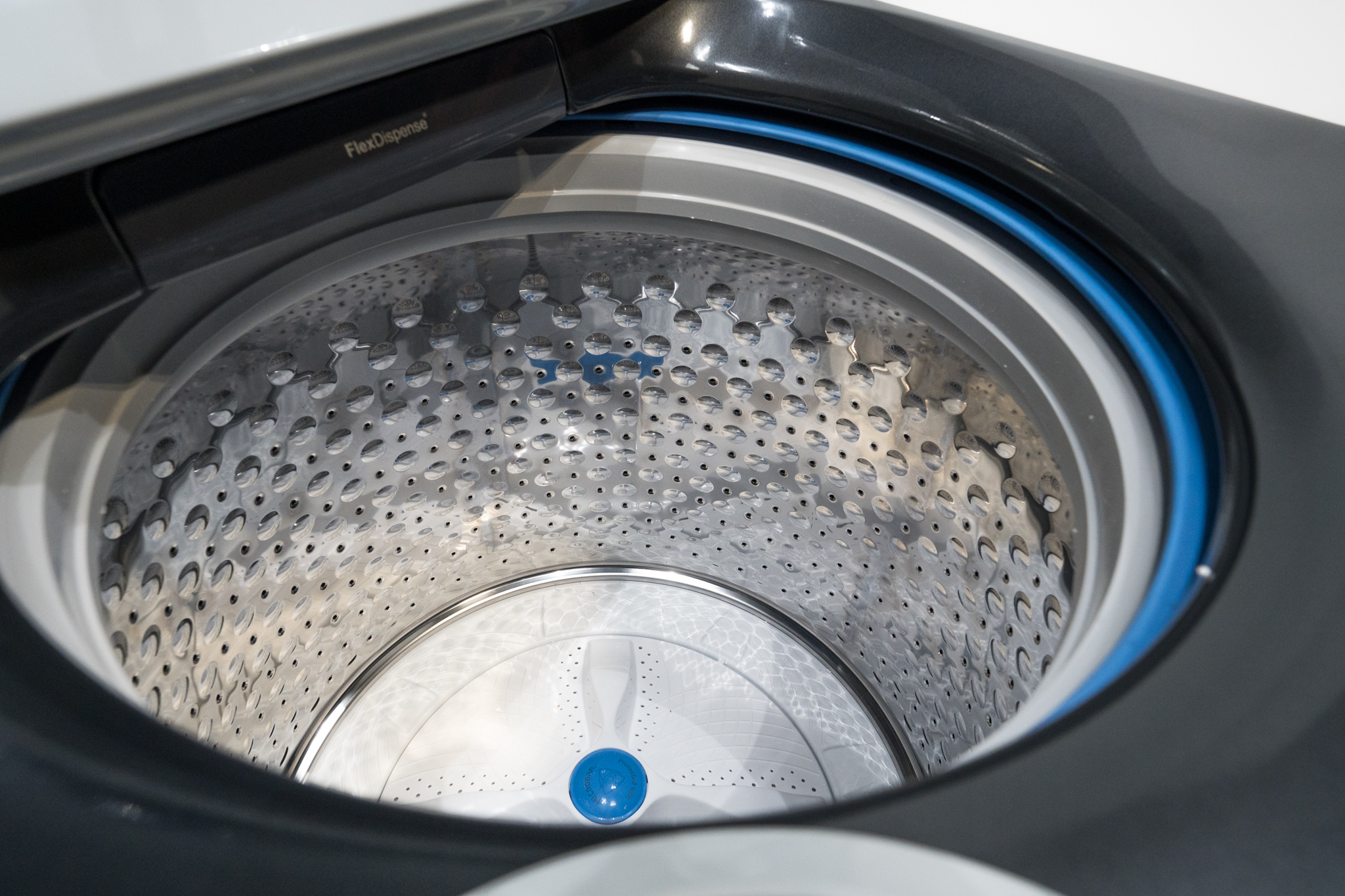
NEU Appliance Repair technician demonstrating worn suspension rods on a shaking top-load washer in an Austin-area home

The Real Culprit: Unbalanced Loads + Worn Suspension Rods

Modern top-load washers spin at 700–800 RPM. That’s fast enough to fling water out of clothes in minutes — but only if the tub stays perfectly centered.

Your washer has four suspension rods (or springs on older models) that act like shock absorbers for a car. When they’re new, they keep the tub stable even with a slightly uneven load.

When they wear out (usually 5–8 years), the tub starts swinging wildly. The machine detects the imbalance, slams on the brakes, and either stops mid-cycle or tries to “re-balance” by banging itself against the cabinet — sometimes hard enough to walk across the floor.

Why Comforters & Towels Are the Worst Offenders

Heavy, absorbent items soak up water unevenly. One side gets heavier → tub tilts → suspension rods can’t control it → violent shaking.

The washer’s computer sees this as dangerous (it really can damage the machine) and throws an “UL” or “UB” error code, or just stops spinning altogether.

Quick Tests You Can Do Right Now

  1. Rock Test – Push down on opposite corners of the washer. If it wobbles or one corner lifts easily → it’s not level (or legs are seized).
  2. Tub Drop Test – Open the lid, push down hard on the tub, then let go. If it bounces more than once or twice → suspension rods are shot.
  3. Comforter Test – Run a bulky load. If it stops with a UE/UB error every time → classic worn suspension symptom.

How to Prevent (and Fix) the Problem

  • Always spread heavy items evenly around the agitator
  • Don’t overload — leave at least a hand-width of space at the top
  • Level the washer (use a bubble level on top — adjust front legs until perfect)
  • Replace suspension rods before they completely fail (much cheaper than a new transmission)

The Hidden Danger Most People Miss

An out-of-balance washer doesn’t just make noise — it stresses bearings, drive systems, and can eventually crack the outer tub. Water leaks + electrical components = real fire risk.

We see it all the time in Austin-area homes: a suspension rod kit prevents an $800+ repair bill later.

Washer Banging or Walking in Austin or Georgetown?

Give us a call at (512) 942-0767 to schedule your appointment.
We proudly serve Austin, Round Rock, Cedar Park, Leander, Georgetown, and Pflugerville.

Proudly serving Austin, Georgetown, Round Rock, Cedar Park, Leander, Pflugerville, and all surrounding Central Texas communities with honest, expert appliance repair.

The Most Common Repair For Washing Machines

Austins Best Appliance Repair Service

Is your washer leaving clothes soggy or making strange noises? Don’t let a faulty scratch and dent or standard washer disrupt your laundry routine! At NEU Appliance Repair, we’ve pinpointed the most common washer issue and how to fix it affordably. Our latest blog post reveals expert tips to diagnose and repair this frequent problem, saving you time and money. Whether you’re a DIYer or seeking professional help, this guide empowers you to restore your washer’s performance. Dive into the article now for step-by-step insights and keep your laundry spinning smoothly!

Washer Repair Services In Austin Texas

The Most Common Repair For Washing Machines

Is your washing machine leaving clothes sopping wet or refusing to drain? If so, you’re not alone! At NEU Appliance Repair, we’ve seen countless washers come through our appliance repair in Austin service, and one issue stands out as the most common culprit: a faulty drain pump. This hardworking little component is the heart of your washer’s drainage system, but it’s prone to wear and tear. The good news? With the right know-how, you can tackle washer repair, prevent future breakdowns, and keep your laundry routine humming. Let’s dive into why the drain pump is so critical, how to spot trouble, and what you can do to keep it in top shape—especially for scratch and dent washers that deliver like-new performance at a steal!

Why the Drain Pump Matters

Your washing machine relies on the drain pump to remove dirty water from the drum after each cycle. Located at the bottom of the machine, this small motor pumps water through the drain hose and out of the unit, ensuring your clothes aren’t left swimming in soapy residue. Whether you have a top-load agitator model or a sleek front-load washer, the drain pump is essential for a clean, efficient wash. But constant use, debris, or small objects like coins and socks can stress or clog the pump, leading to the need for washing machine drain pump repair.

In our years of providing home appliance repair in Austin, we’ve found that drain pump issues are the top reason washers end up on the fritz. From Georgetown to Round Rock, Austin-area homes depend on their washers, and a broken pump can throw a wrench in your schedule. Understanding this common problem empowers you to act fast—whether you’re fixing it yourself or calling in our expert technicians.

Washer Repair Services In Central Texas

Signs Your Drain Pump Needs Attention

How do you know if your drain pump is the issue? Here are the telltale signs to watch for:

  • Water Won’t Drain: Your washer finishes a cycle, but the drum is still full of water.
  • Loud Noises: Grinding, buzzing, or humming sounds during the drain cycle suggest a struggling pump.
  • Leaking Water: Puddles under your washer may indicate a cracked or clogged pump.
  • Error Codes: Many modern washers display codes (e.g., E:23 for Bosch) when the pump fails.
  • Clothes Stay Soaked: If your laundry is wetter than usual after spinning, the pump isn’t clearing water effectively.

If you notice these symptoms, don’t panic! Washer repair is often straightforward, especially for drain pump issues. At NEU Appliance Repair, our $99 flat-rate service call includes a thorough diagnostic to confirm the problem, followed by a clear estimate for repair or our unique Repair or Replace option. For scratch and dent washers, fixing the drain pump can restore top performance without breaking the bank.

Fixing a Faulty Drain Pump

Ready to tackle washing machine drain pump repair? Here’s a quick guide to get you started:

  1. Unplug the Washer: Safety first—disconnect the power to avoid shocks.
  2. Access the Pump: For top-load washers, remove the back panel; for front-load models, access the pump through the front or bottom panel (check your manual).
  3. Check for Clogs: Inspect the pump and hoses for debris like lint, coins, or small items. Clear any blockages carefully.
  4. Test the Pump: If clear, the pump motor may be faulty. A multimeter can test for continuity, but if it’s dead, replacement is needed.
  5. Replace the Pump: Install a new washer repair part (available from NEU Appliance Parts) and reconnect hoses securely.
  6. Test the Washer: Run a short cycle to ensure proper drainage and no leaks.

Not comfortable diving in? Our Austin-based technicians are experts in appliance repair in Austin, handling drain pump replacements with precision. Plus, our 90-day labor warranty and up to 1-year parts warranty give you peace of mind.

Austins Best Appliance Repair Service

Preventing Drain Pump Problems

The best way to avoid washer repair is to keep your drain pump healthy. Here’s how to prevent issues and extend your washer’s life, especially for scratch and dent models:

  • Check Pockets Before Washing: Remove coins, keys, and small items that can clog the pump. Use a mesh laundry bag for delicate items like socks.
  • Clean the Filter Regularly: If your washer has a lint or debris filter (often near the pump), clean it monthly to prevent blockages.
  • Use the Right Detergent: Excess detergent can create buildup, stressing the pump. Use HE (high-efficiency) detergent for front-load washers and follow dosage guidelines.
  • Avoid Overloading: Overstuffing the drum puts strain on the pump and motor. Stick to recommended load sizes.
  • Inspect Hoses Annually: Check drain and inlet hoses for kinks, cracks, or clogs to ensure smooth water flow.

These simple steps can save you from costly repairs and keep your washer running efficiently, reducing water and energy bills. For more tips, check out our “5 Tips” videos in the Repair University Maintenance section, tailored to brands like Whirlpool, GE, and Frigidaire.

Why Trust NEU Appliance Repair?

At NEU Appliance Repair, we’re committed to making home appliance repair in Austin hassle-free. Our flat $99 service call fee covers diagnostics, and our Repair or Replace option lets you choose between fixing your washer or upgrading to a discounted scratch and dent model. Serving Austin, Georgetown, Round Rock, and beyond, we bring local expertise, transparent pricing, and reliable warranties to every job.

Get Your Washer Back in Action

A faulty drain pump doesn’t have to derail your laundry routine. Whether you’re DIY-ing a washing machine drain pump repair or relying on our expert technicians, NEU Appliance Repair has the tools, parts, and know-how to get your washer spinning again. Contact us today to schedule your $99 service call and experience why we’re the trusted name for appliance repair in Austin. Let’s keep your laundry fresh and your budget happy!