Oven Bottom Drawer: Warming, Broiler or Storage? | Austin TX

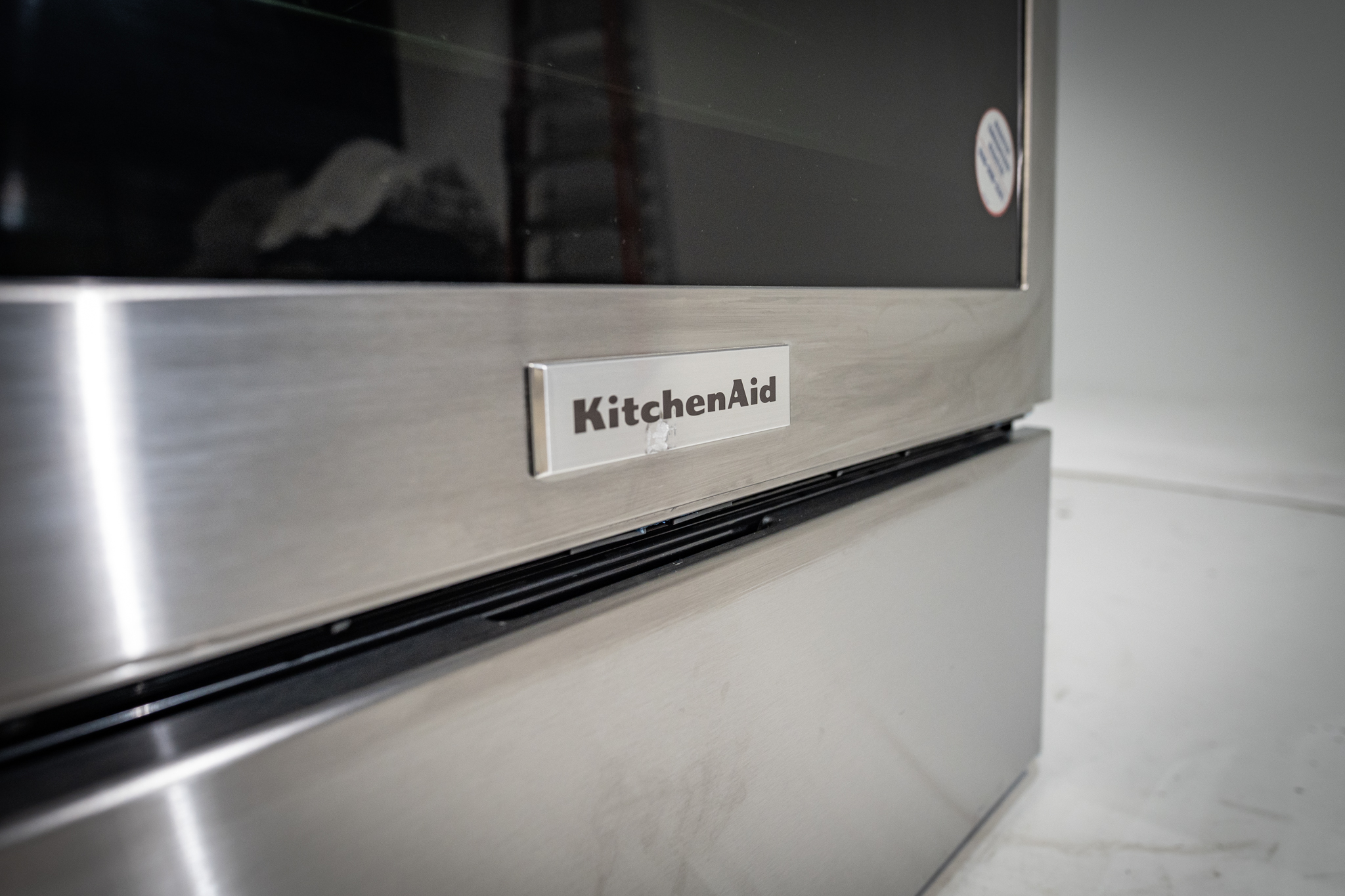
Oven drawer for storage

Is Your Oven’s Bottom Drawer a Warming Drawer,
Broiler, or Just Storage? (Austin & Georgetown Homeowners Need to Know)

How It Works Series | NEU Appliance Repair

If you’ve ever opened the bottom drawer on your range and wondered, “Is this thing actually useful, or just a fancy pan graveyard?” — you’re not alone. Every week in Austin, Georgetown, Round Rock, Cedar Park, Leander, and Pflugerville we get calls from confused homeowners who have no idea what that drawer is actually for.
NEU Appliance Repair technician showing the difference between a warming drawer and storage drawer in an Austin-area home

The 3 Types of Bottom Drawers (and How to Tell in 5 Seconds)

1. Storage Drawer
Thin metal walls, no heating element. No control panel setting for it. Designed purely for pans and baking sheets.

2. Warming Drawer
Thicker, insulated walls. Separate “Warm” or “Proof” setting. Temp 140–200 °F. Keeps plates hot or proofs dough.

3. Broil / Warming Combo
Visible broil element at the top of the drawer. Control panel has “Low Broil” or “Warming”. Crisp casseroles or keep food warm.

Quick Test: Open the drawer. Look up — see a red broil element? → Broiler/warming. Thick walls? → Warming. Thin metal? → Storage.

What You Should NEVER Put in That Drawer

  • Plastic cutting boards or lids (melts & toxic fumes)
  • Paper towels, cardboard, matches
  • Aerosol cans or chemicals
  • Pans with plastic/wood handles

Clever Ways Austin & Georgetown Families Use Warming Drawers

  • Proofing pizza or bread dough in half the time
  • Keeping Thanksgiving sides hot while the turkey rests
  • Warming plates so food stays hot longer
  • Emergency slow-cooker for chili on game day

Oven or Range Issues in Austin or Georgetown?

Give us a call at (512) 942-0767 to schedule your appointment.
We proudly serve Austin, Round Rock, Cedar Park, Leander, Georgetown, and Pflugerville.

Proudly serving Austin, Georgetown, Round Rock, Cedar Park, Leander, Pflugerville, and all surrounding Central Texas communities with honest, expert appliance repair.

True Convection vs Regular Convection | What It Really Means

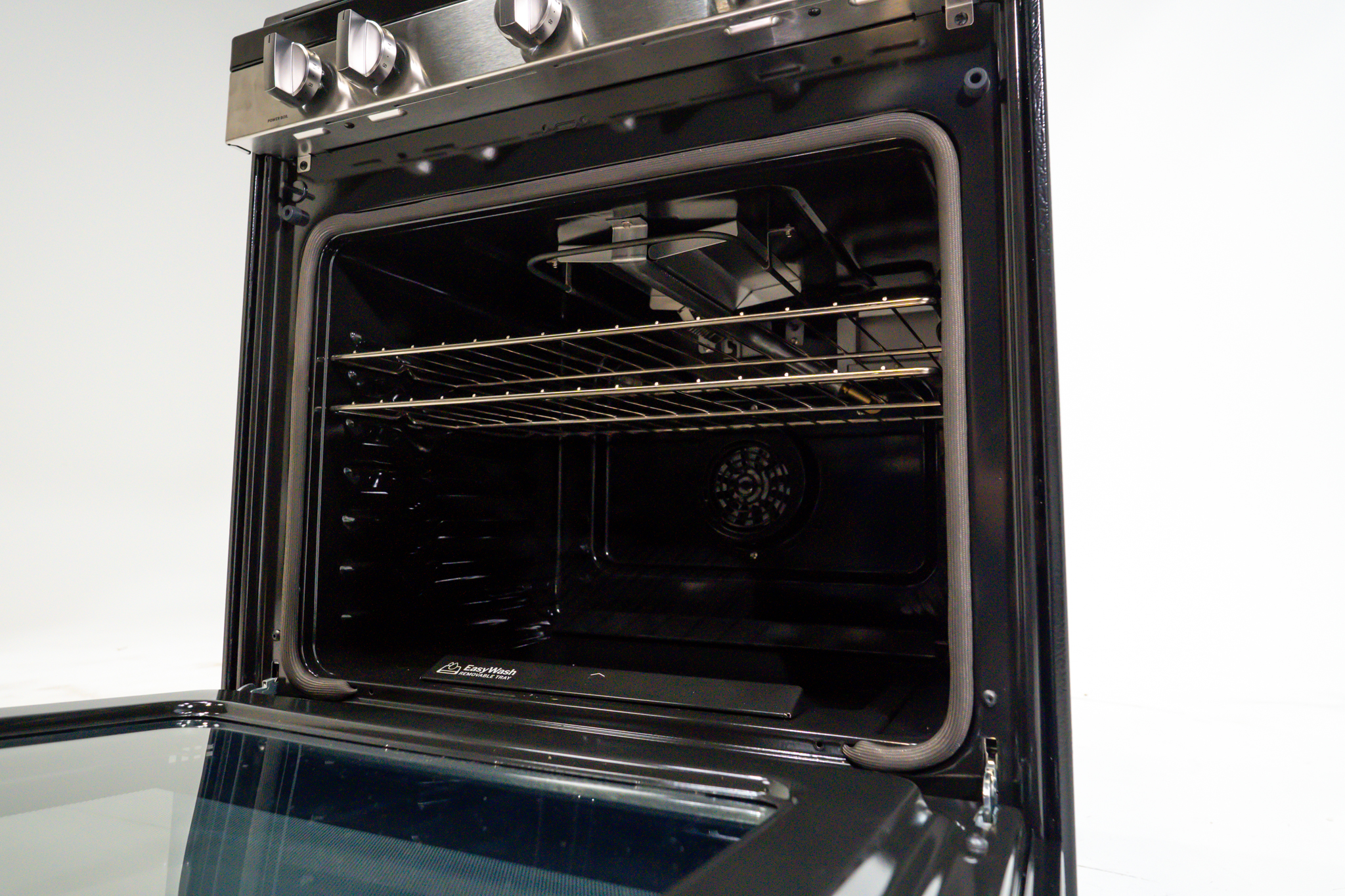
Basic Convection Oven

What “True Convection” Actually Means
(And Why It Matters in Austin & Georgetown Kitchens)

How It Works Series | NEU Appliance Repair

If you’ve ever stood in front of a wall oven in an Austin or Georgetown home wondering why one model costs $800 more just because it says “True Convection” or “European Convection” – you’re not alone. Most people think it’s just a fan. It’s not.

NEU Appliance Repair technician explaining True Convection oven technology to a homeowner in Austin, TX

The Real Difference: Regular Bake vs. Convection vs. True Convection

Regular Bake – Heat comes only from the bottom element (and a little from the hidden broil at the top). Hot air rises, cools around your food, and creates hot/cold spots. You rotate pans and still get uneven results.

Basic Convection – Adds a fan in the back wall. Better airflow, but the fan is just pushing air that was already heated by the bake element. Improvement? Yes. Perfect? No.

True Convection (European Convection) – Adds a third heating element that surrounds the fan itself. The air is heated before it hits your food, then forcefully circulated at a constant temperature. Result: perfectly even 360° heat, 20–30 % faster cook times, and restaurant-level browning at home.

Why True Convection Cooks Faster & More Evenly

Still air is a terrible conductor. Moving air transfers heat dramatically faster. When that moving air is actively heated by its own dedicated element, you eliminate cold pockets completely. A Thanksgiving turkey in a True Convection oven in Georgetown can finish 25–30 minutes sooner with juicier meat and crispier skin – no rotating required.

Foods That LOVE True Convection

  • Roasts & whole poultry (even browning, juicy inside)
  • Multiple trays of cookies or appetizers (all bake identically)
  • Vegetables & potatoes (perfect caramelization)
  • Pizza, bread, anything needing a crispy bottom

Foods You Should Never Cook on True Convection

  • Custards, flan, cheesecake (fan creates skin & cracks)
  • Soufflés & delicate cakes (uneven rising)
  • Quick-cooking fish or thin foods (dries out)
  • Anything where gentle, still heat is required

Pro Tip From Our Austin Techs

When using True Convection, drop the recipe temperature by 25 °F and start checking 10–15 minutes early. You’ll be amazed at the results.

Oven Not Heating Evenly in Austin or Georgetown?

Whether it’s a bad heating element, faulty convection fan, or something else — we fix it fast, same-day in most cases.

Give us a call at (512) 942-0767 to schedule your appointment.
We proudly serve Austin, Round Rock, Cedar Park, Leander, Georgetown, and Pflugerville.

Proudly serving Austin, Georgetown, Round Rock, Cedar Park, Leander, Pflugerville, and all surrounding Central Texas communities with honest, expert appliance repair.