GE Washer Not Draining? Troubleshooting & Repair Solutions for a Clogged Drain Pump
A washing machine that won't drain can really turn into a pain in the rear end. You pop that lid open, expecting to pull out clean, fresh clothes, only to find a tub full of stagnant, soapy water... Gross! This is a common issue for many GE washing machine owners, but it doesn't always necessitate professional repair immediately. In many cases, a simple clog or a minor problem is to blame. This guide will help you understand why your GE washer isn't draining, walk you through some troubleshooting steps you can perform at home, and show you when it's time to call in the experts.
Why Your GE Washer Is Full of Water
There are several key reasons why a washing machine might fail to drain. The problem usually boils down to a mechanical failure or a blockage.
-
✓
A clogged drain pump filter is the most common culprit. The drain pump filter's job is to catch small items, such as coins, buttons, and lint, before they can damage the pump. Over time, this filter can become clogged entirely, blocking the water flow.
-
✓
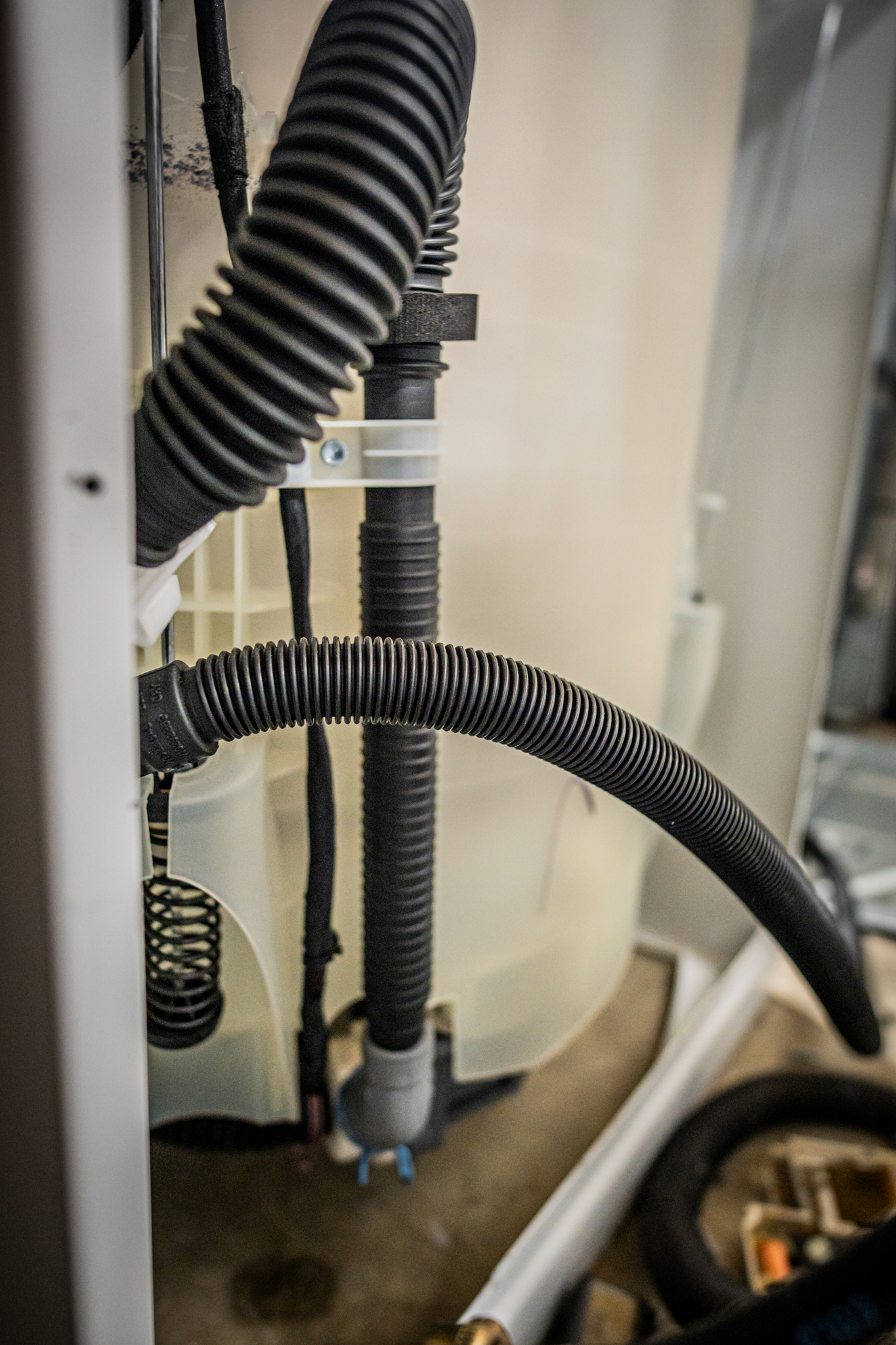
A Kinked or Blocked Drain Hose: The hose that carries water from the washer to your drain pipe can easily become bent, twisted, or clogged. A simple kink in the hose is a quick and easy fix.
-
✓
A Faulty Drain Pump: The drain pump is the motor that actively pushes the water out of the machine. If this pump's motor burns out or a small object gets stuck in its impeller, it won't be able to do its job.
-
✓
A Worn Lid Switch or Door Lock: For safety, most GE washers will not spin or drain if the lid isn't securely closed. A broken lid switch can fool the machine into thinking the door is open, preventing the cycle from completing.
How to Safely Troubleshoot a Non-Draining Washer
Before you start poking around, remember safety first. Always unplug your washing machine from the wall outlet before inspecting any internal parts. This prevents the risk of electric shock.
-
✓
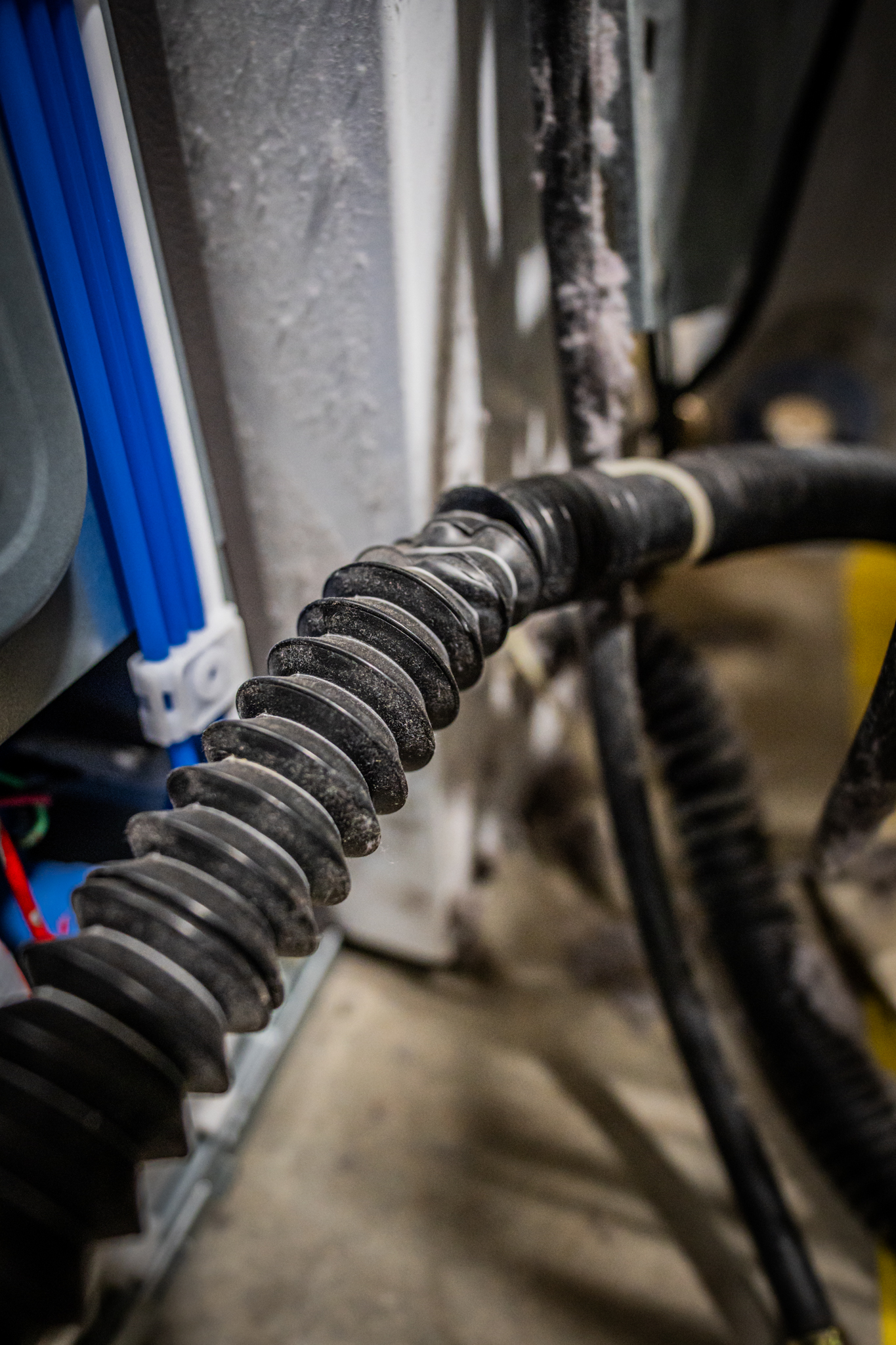
Step 1: Check the Drain Hose: This is the easiest fix. Look behind your GE washer and inspect the large, flexible drain hose. Make sure it's not bent or crushed against the wall. If you find a kink, carefully straighten it out and then try running a drain and spin cycle. If the problem persists, the clog might be deeper inside the hose.
-
✓
Step 2: Clean the Drain Pump Filter: This is where you'll find most of the culprits. Most GE models have a small access panel near the bottom front of the machine. Have a shallow pan, bucket, and some old towels ready for any spills. Carefully open the panel, and you should see the filter. Unscrew it slowly to control the water flow. Once the water stops, remove the filter completely. You'll probably find a treasure trove of lint, hair, and other debris. Clean it thoroughly and make sure the impeller behind it is clear. Screw the filter back in, close the access panel, and run a test cycle.
-
✓
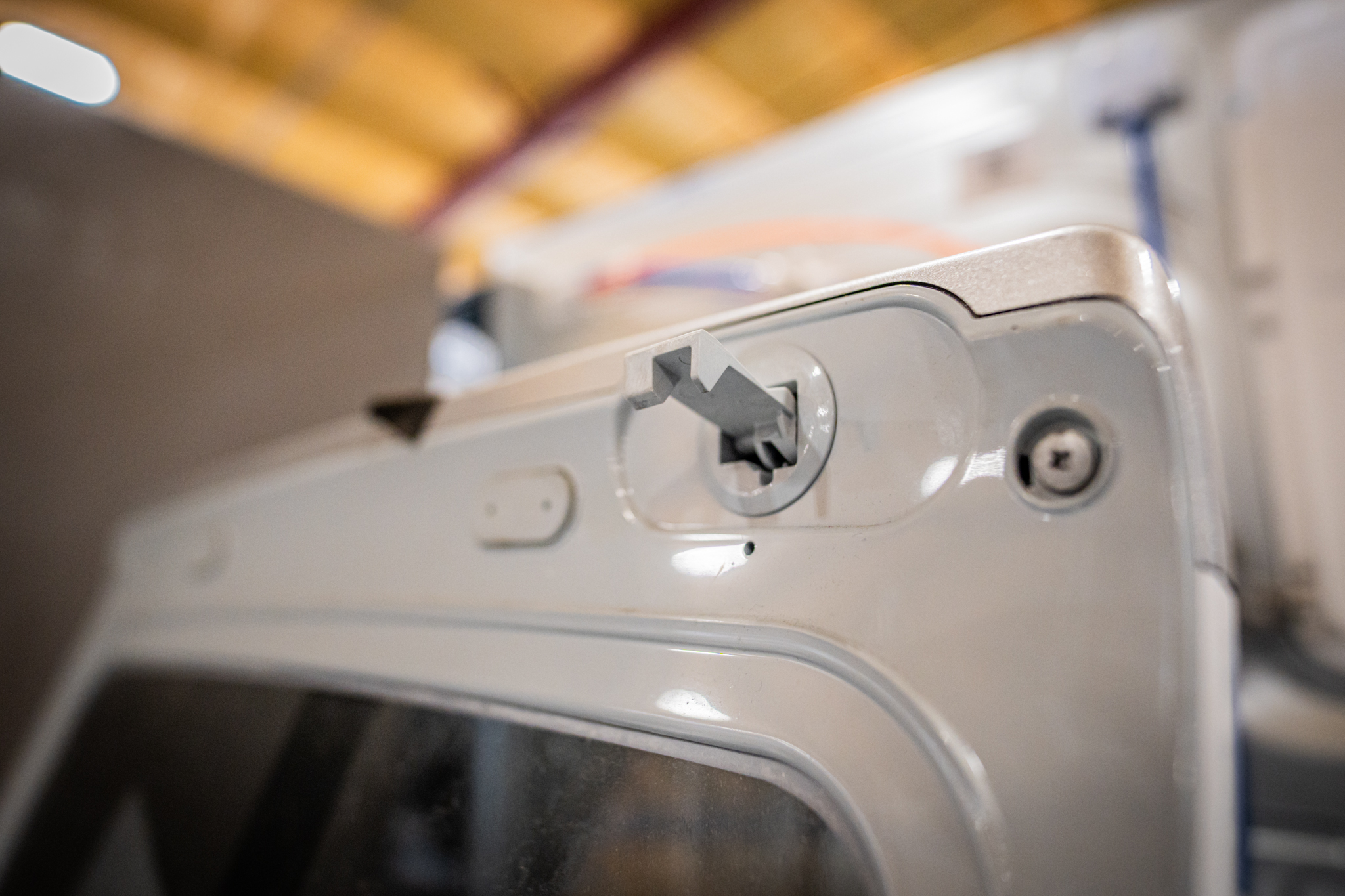
Step 3: Test the Lid Switch: If your top-loading GE washer stops mid-cycle and won't drain, a bad lid switch might be the problem. The lid switch is a small sensor located near the hinge of the lid. If it appears loose, broken, or misaligned, it may need to be replaced. Do not try to bypass a broken lid switch. This is a safety feature and should always be working correctly.
When to Call an Appliance Repair Professional in Austin
While many of these issues are simple to handle, some are not. If you've gone through the steps above and your GE washer is still not draining, the issue is likely more serious.
-
✓
A Failed Drain Pump: If the drain pump motor is dead, it needs to be replaced. This is a more involved repair that requires a specific part for your model and some technical expertise.
-
✓
Electrical or Control Board Issues: If the pump isn't getting the signal to turn on, the problem could be with the main control board or its wiring. This kind of electrical work should only be handled by a certified professional.
Other Common GE Washer Problems
If your problem isn't related to draining, we've got you covered in our other guides.
- ✓
- ✓
Expert Help Is Always Available
Troubleshooting your GE washer can save you time and money, but some problems are too complex for a DIY fix. Whether you're in Austin or the surrounding areas, our certified technicians have the experience to diagnose and repair your machine quickly.
If your washer is still not working or if you prefer to have a professional handle the issue, contact us today. We're here to help get your laundry routine back on track.